Discover Gao's Kabob Chicago
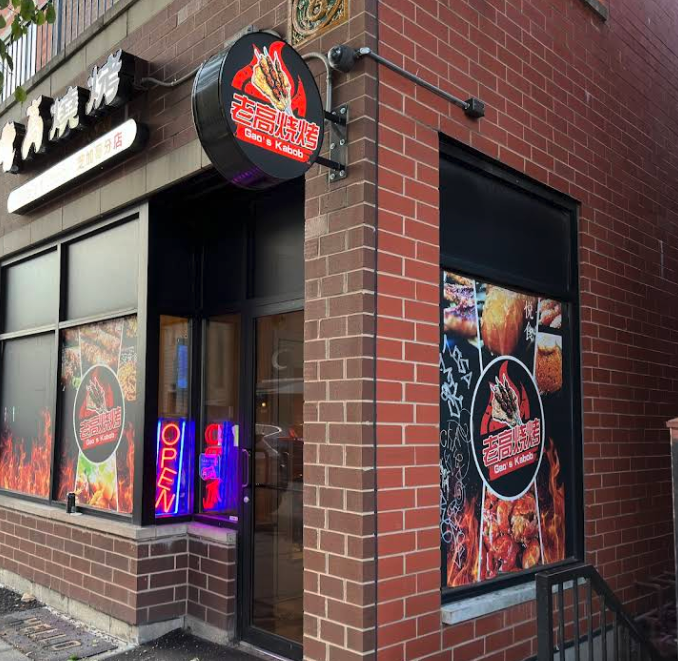
Walking into Gao's Kabob Chicago feels like stepping into a familiar neighborhood spot where the grill is always hot and the welcome is effortless. Tucked away at 232 W 22nd Pl, Chicago, IL 60616, United States, this small but lively diner has built a reputation for bold flavors, generous portions, and food that’s cooked with care rather than shortcuts. I first stopped by after hearing coworkers rave about the lamb skewers, and that casual recommendation turned into a regular lunch habit.
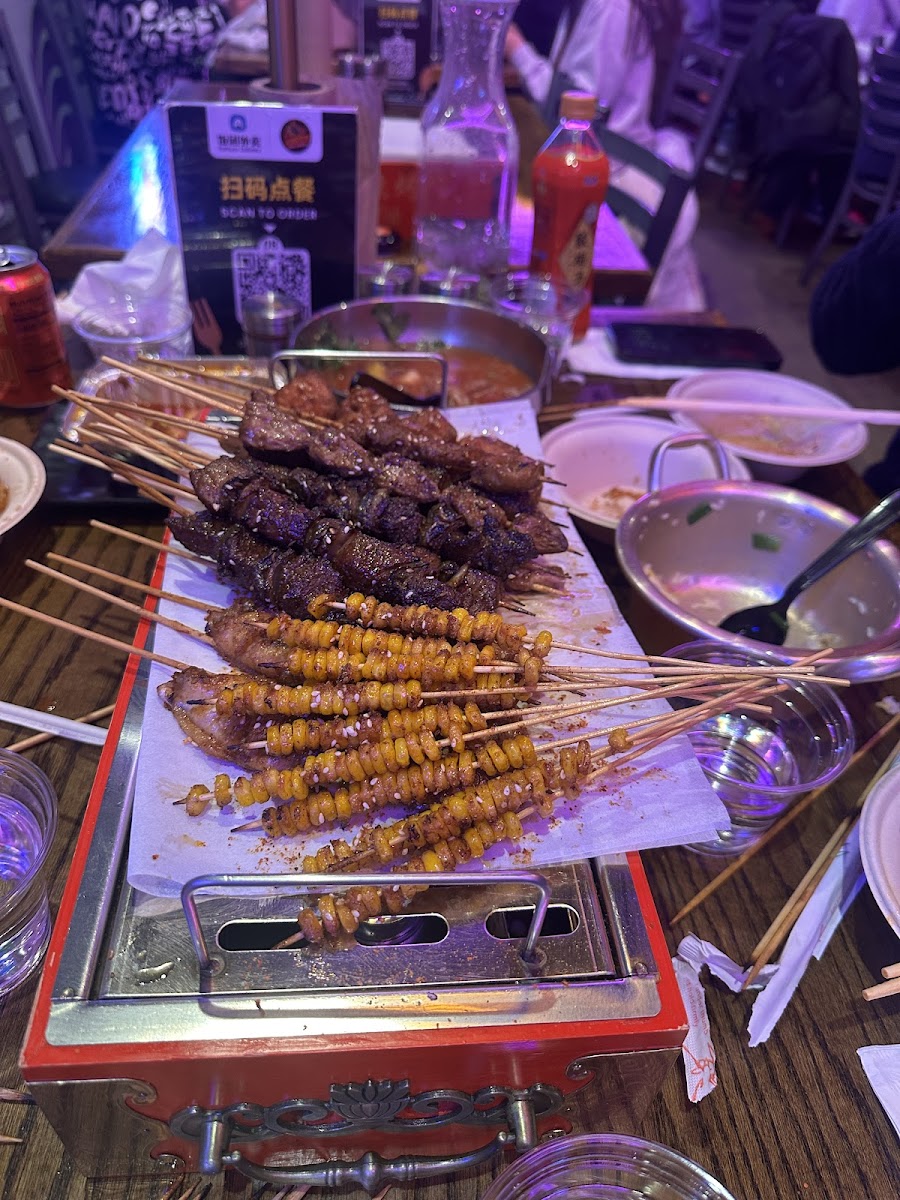
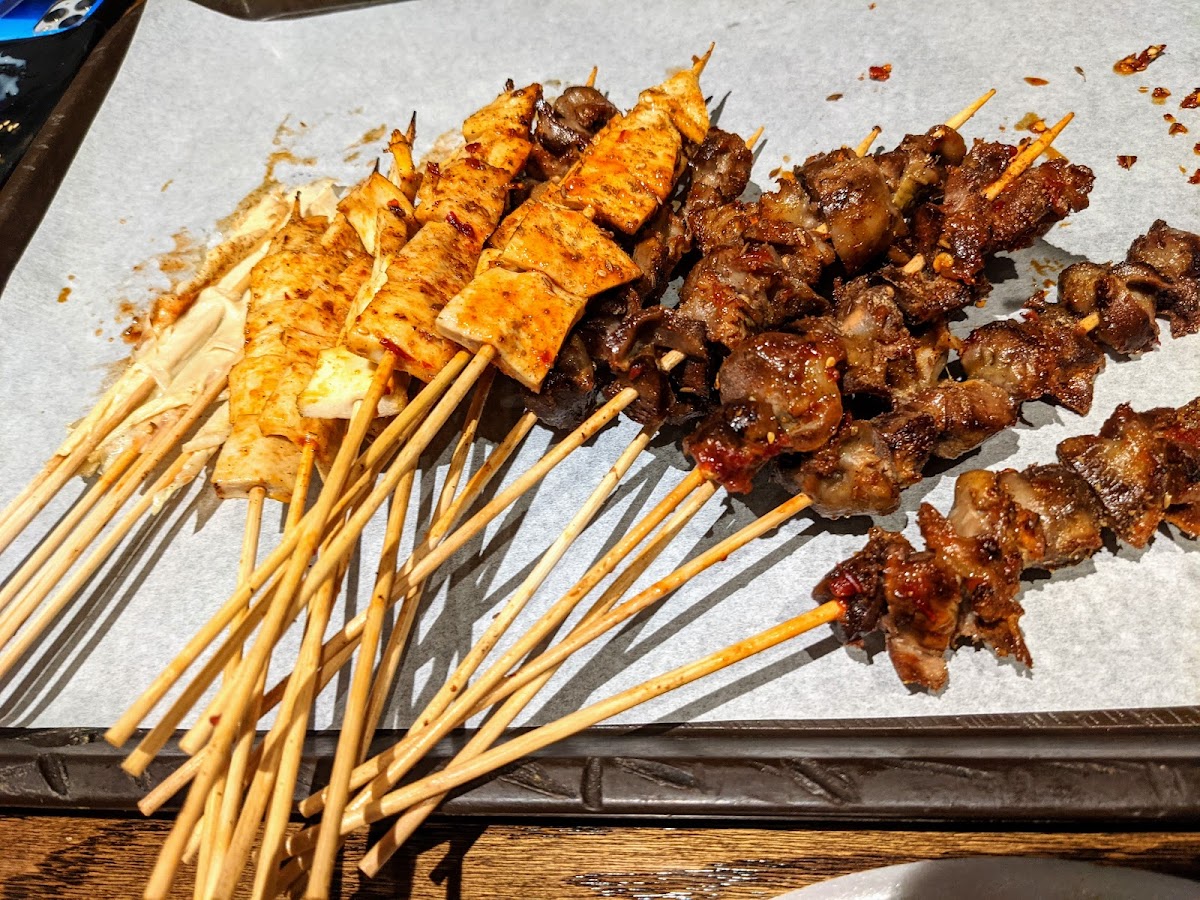
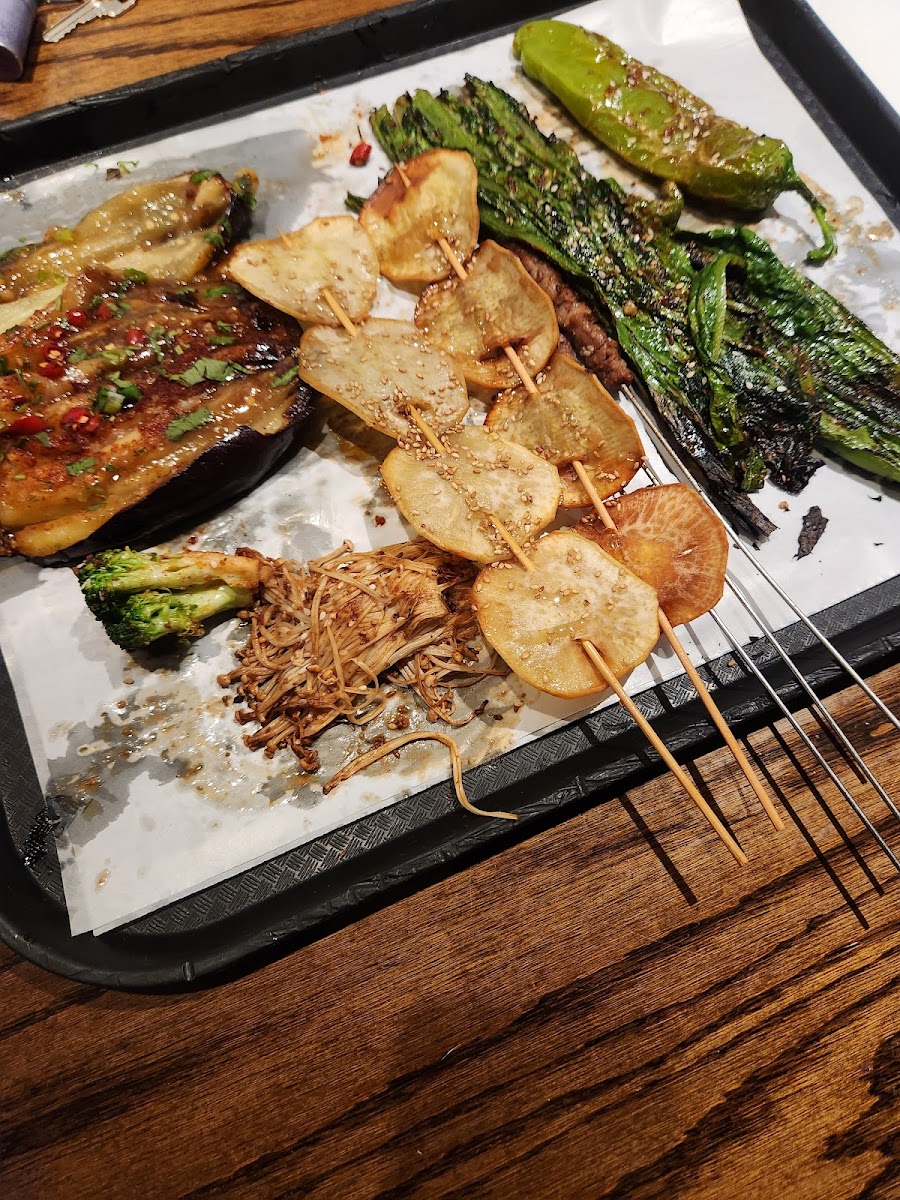
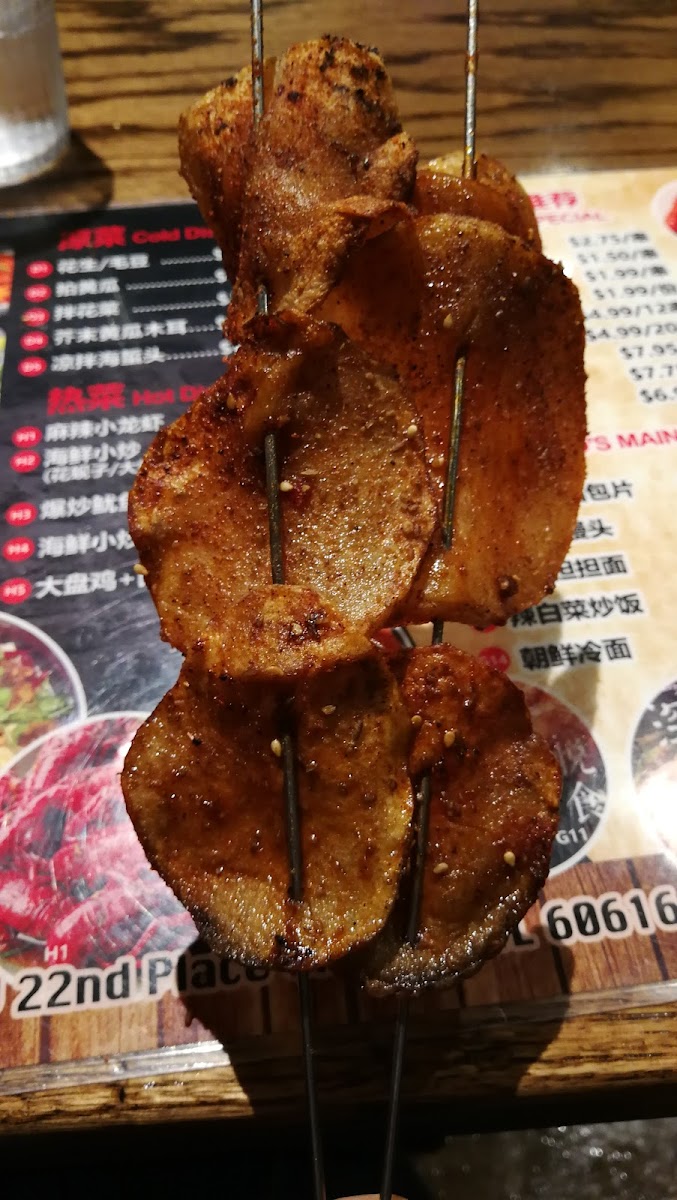
The menu leans heavily into Northern Chinese-style barbecue, which sets it apart from many other spots in the area. You’ll notice skewers taking center stage, especially lamb and beef seasoned with cumin, chili, and garlic. According to food historians cited by the Chinese Cuisine Association, cumin-heavy grilling traces back to China’s northwest regions, where open-fire cooking was both practical and communal. That tradition comes through clearly here, from the smoky aroma that hits you at the door to the crisp edges on each kabob. One bite into the lamb skewer and you get that perfect balance of spice and fat, something that’s surprisingly hard to pull off consistently.
What impressed me most, from an experience standpoint, was watching how the kitchen works. Orders come in fast during peak hours, yet the staff still grills each skewer fresh. No warming trays, no pre-cooked shortcuts. A line cook once explained that timing is everything-too long on the fire and the meat dries out, too short and you lose that charred depth. That hands-on approach shows real expertise. It also aligns with research from the National Restaurant Association, which notes that freshly prepared food is one of the top factors influencing repeat visits and positive reviews.
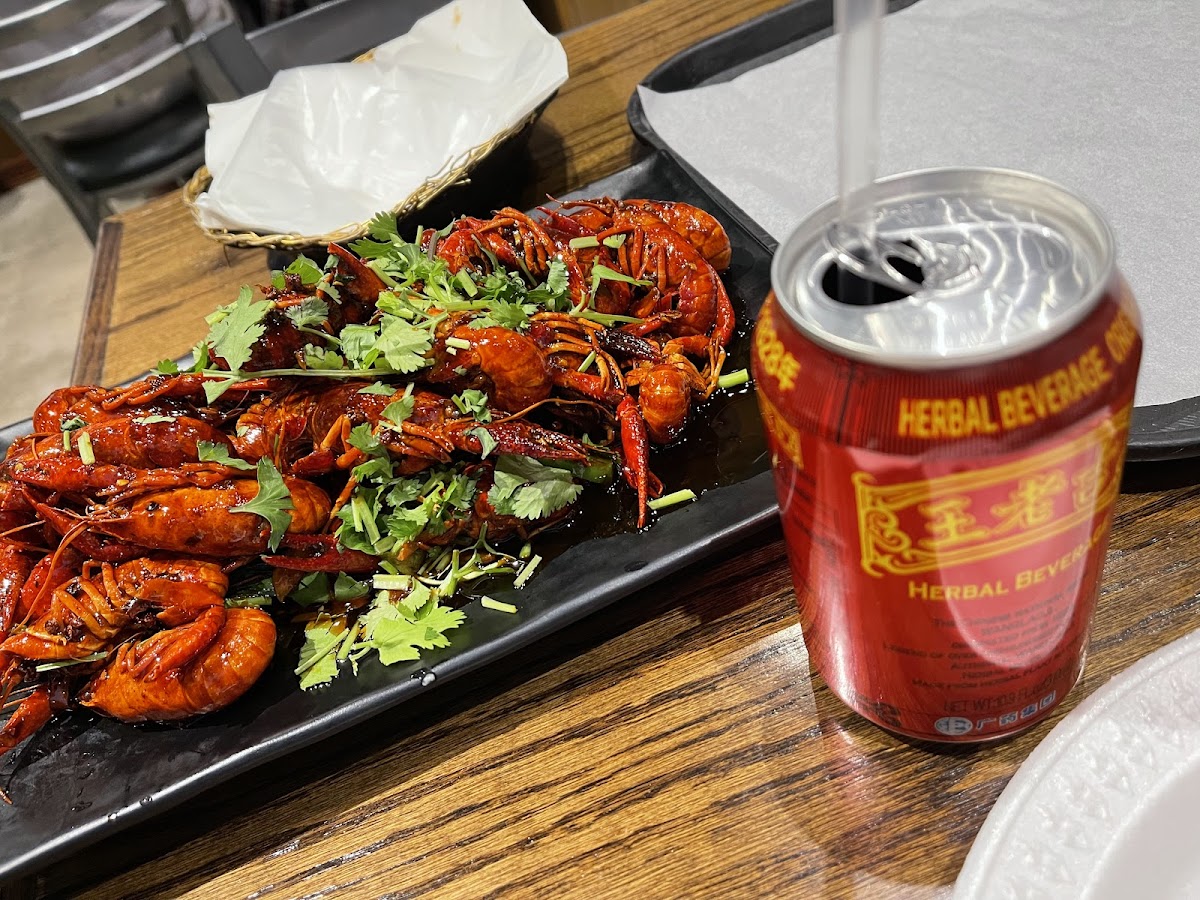
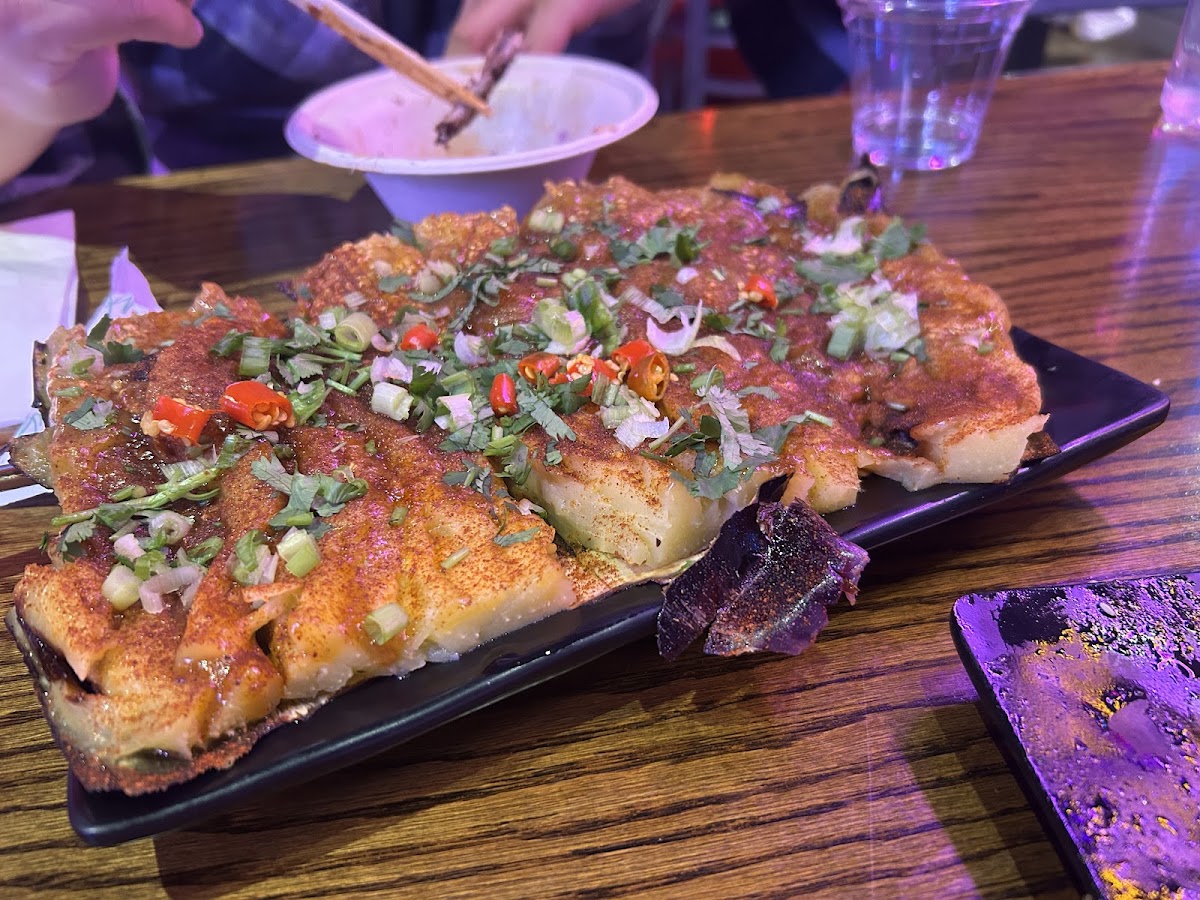
Beyond skewers, the menu branches into familiar comfort dishes like stir-fried noodles, fried rice, and cold appetizers that cool down the heat from the grill. The cumin lamb stir-fry is a standout, layered with onions and peppers, and it’s a good example of how traditional techniques adapt well to a diner setting. Portions are hearty, making it a smart choice if you’re sharing or just hungry after a long day. Prices stay reasonable, which matters in a city where casual dining costs keep climbing, as highlighted in recent Bureau of Labor Statistics food-away-from-home reports.
Reviews from locals often mention consistency, and that’s not accidental. Consistency in restaurants usually comes from tight sourcing and repeatable processes. While Gao’s Kabob doesn’t advertise its suppliers, the quality of the meat suggests careful selection. Food safety guidelines from the USDA emphasize proper handling and cooking temperatures for grilled meats, and based on texture and flavor, those standards are clearly being met here. Still, it’s fair to say that seating is limited, and during busy evenings you might wait or opt for takeout. That’s a minor limitation, but worth knowing.
The location itself plays into the charm. Being close to Chinatown and the South Loop means a diverse crowd, from students grabbing quick bites to families settling in for a relaxed meal. Conversations bounce between tables, skewers clink against plates, and someone always seems to be discovering the food for the first time. I’ve heard more than one diner say best lamb skewer in the area, and after several visits, it’s hard to argue.
From a trust perspective, the strength of this place lies in transparency through action rather than marketing. You see the grill, you smell the spices, and you taste the result. There’s no pretense, just solid cooking rooted in tradition. While the menu isn’t huge and won’t cater to every dietary preference, what it does offer feels focused and honest. That focus is likely why so many Chicago food bloggers and neighborhood reviewers keep pointing newcomers in this direction.
Between the hands-on grilling, the cultural authenticity, and the steady stream of positive reviews, this diner earns its place as a go-to spot for kabobs in Chicago. The experience feels personal, the food speaks for itself, and every visit reinforces why word of mouth continues to be its strongest calling card.